

Reaction Time After Knee Replacement: The Science Behind When It's Safe to Drive
Few questions come up faster after knee replacement surgery than "when can I drive again?" It is an understandable priority.

Few questions come up faster after knee replacement surgery than "when can I drive again?" It is an understandable priority.

Today's knee replacement surgery is more precise and personalized than ever, and the subvastus approach is a big part of why. This muscle-sparing technique works around the quadriceps instead of cutting through it, helping preserve the strength and function you rely on every day.

Hip replacement often brings to mind a long scar running down the side of the leg, visible in shorts or a swimsuit for years afterward. That expectation is enough to make some people put off a surgery they actually need.
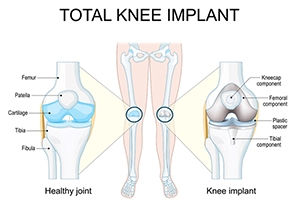
Most patients researching knee replacement focus on the surgery itself: how long it takes, what the recovery looks like, when they can get back to normal activity. What fewer people think about is the implant sitting inside the knee once the procedure is done, and how well it fits their specific anatomy.

Summer in the Atlanta suburbs fills calendars with golf outings, morning walks, and evenings outdoors. But knee and hip arthritis can stop that momentum fast.

If knee or hip pain has been stealing your summers — the hikes, the yard work, the morning walks — same-day joint replacement may be closer to a solution than you think.

Has chronic knee pain forced you to trade your golf spikes for a heating pad? Or your gardening tools for a bottle of ibuprofen? It is easy to forget what a life defined by movement rather than limitation actually feels like.
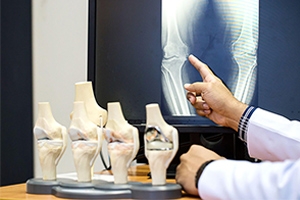
When knee arthritis is combined with bow-legged alignment, prior injuries, or unusual bone structure, standard joint replacement surgical techniques may not always deliver ideal precision.

Managing the persistent ache of osteoarthritis often feels like a balancing act between activity and inflammation. While conservative measures like physical therapy are foundational, many patients reach a point where they require more targeted relief to maintain their quality of life.

For years, the "bikini" incision for hip replacement was primarily associated with women, thanks to its discreet placement along the natural crease of the groin.